Day 139 of 280 · 19 weeks + 6 days
Nosebleeds
Last reviewed · 2 min read · 6 sources · Plain-text version
Nineteen weeks and six days, the last week measured head to bottom. Today: the nosebleed nobody warned you about, and a bedside kit that costs almost nothing.
- Size this week
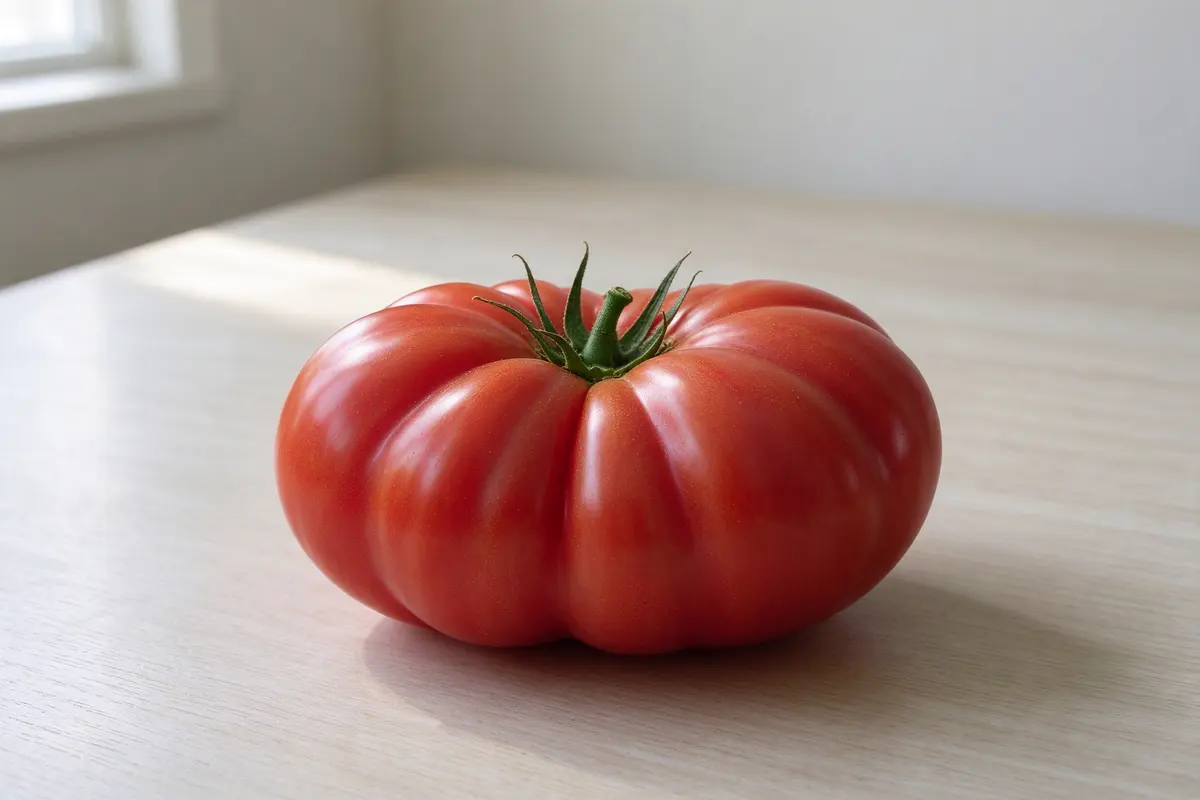
- about the size of a beef tomato
- Length this week
- around 15.3 cm from head to bottom

Nineteen weeks and six days. The last day your baby is measured head to bottom, and a day for one of the small, undignified symptoms of the middle months: the nosebleed.
Your baby
Your body
Nosebleeds and bleeding gums are both on the NHS's list of common symptoms this week (NHS). MedlinePlus has one list of helps for the pair: drink plenty of fluids, get vitamin C from orange juice or fruit, use a humidifier, and try a saline nasal spray (MedlinePlus).
Feeling hot and dizziness are on the same NHS list (NHS). Last week's page explains the dizziness: your blood pressure is probably lower than usual, so standing up quickly can bring it on (NHS). Stand up in two stages.
Try today
The nosebleed fix
Time: 10 minutes to set up
Put a saline nasal spray on the nightstand and use it when the air feels dry (MedlinePlus).
If the bedroom air is dry, run a humidifier at night (MedlinePlus).
Keep a glass of water beside the bed; fluids are on the same list (MedlinePlus).
Add a piece of fruit or a glass of orange juice to breakfast for the vitamin C (MedlinePlus).
Watch for
Normal
feeling hot (NHS).
Seek care immediately
for a fever of 100.4°F (38°C) or higher (CDC).
Normal
a moment of dizziness when you stand up fast, because blood pressure is probably lower (NHS).
Seek care immediately
for dizziness or fainting; both are on the CDC's urgent list (CDC).
Normal
a nosebleed or gums that bleed when you brush (NHS).
Call your provider
about any bleeding from the vagina; the NHS says it needs medical advice (NHS).
For you
One thing to know before it happens: later in pregnancy, nosebleeds can happen during sleep (NHS), so the pillowcase may tell you before you do. A dark towel over the pillow saves the laundry. It isn't a sign of anything.
The NHS's to-do list for this week is calmer than your nose: consider where you want to give birth, and tell your employer when you're ready (NHS). Neither needs doing today.
If you're the partner: the humidifier is your job. Fill it, run it, and clean it, without being asked.
Sources
- NHS. "Week 18." Week-by-week guide to pregnancy, Best Start in Life. https://www.nhs.uk/best-start-in-life/pregnancy/week-by-week-guide-to-pregnancy/2nd-trimester/week-18/
- NHS. "Week 19." Week-by-week guide to pregnancy, Best Start in Life. https://www.nhs.uk/best-start-in-life/pregnancy/week-by-week-guide-to-pregnancy/2nd-trimester/week-19/
- NHS. "Week 20." Week-by-week guide to pregnancy, Best Start in Life. https://www.nhs.uk/best-start-in-life/pregnancy/week-by-week-guide-to-pregnancy/2nd-trimester/week-20/
- NHS. "Week 28." Week-by-week guide to pregnancy, Best Start in Life. https://www.nhs.uk/best-start-in-life/pregnancy/week-by-week-guide-to-pregnancy/3rd-trimester/week-28/
- MedlinePlus. "Common symptoms during pregnancy." National Library of Medicine. https://medlineplus.gov/ency/patientinstructions/000583.htm
- Centers for Disease Control and Prevention. "Urgent Maternal Warning Signs and Symptoms." HEAR HER campaign, 2024. https://www.cdc.gov/hearher/maternal-warning-signs/index.html
This guide is general education that summarizes published research and guidance from groups like the American Academy of Pediatrics, the CDC, and the WHO. It isn’t medical advice, and every child develops on their own timeline. Your pediatrician knows your child; if something feels wrong, call them. In an emergency, call 911.
Get each day’s note the morning it applies
Add your due date to a free Chorevia household, and every morning until the birth the day's note arrives in the app and by email: what's forming, what your body is doing, one thing to try, what to watch for, and a word for you.
Create your household