Day 113 of 280 · 16 weeks + 1 day
The results review
Last reviewed · 3 min read · 8 sources · Plain-text version
The 16-week visit brings back the blood tests from your booking appointment. Today you ask for each result by name and write it down.
- Size this week
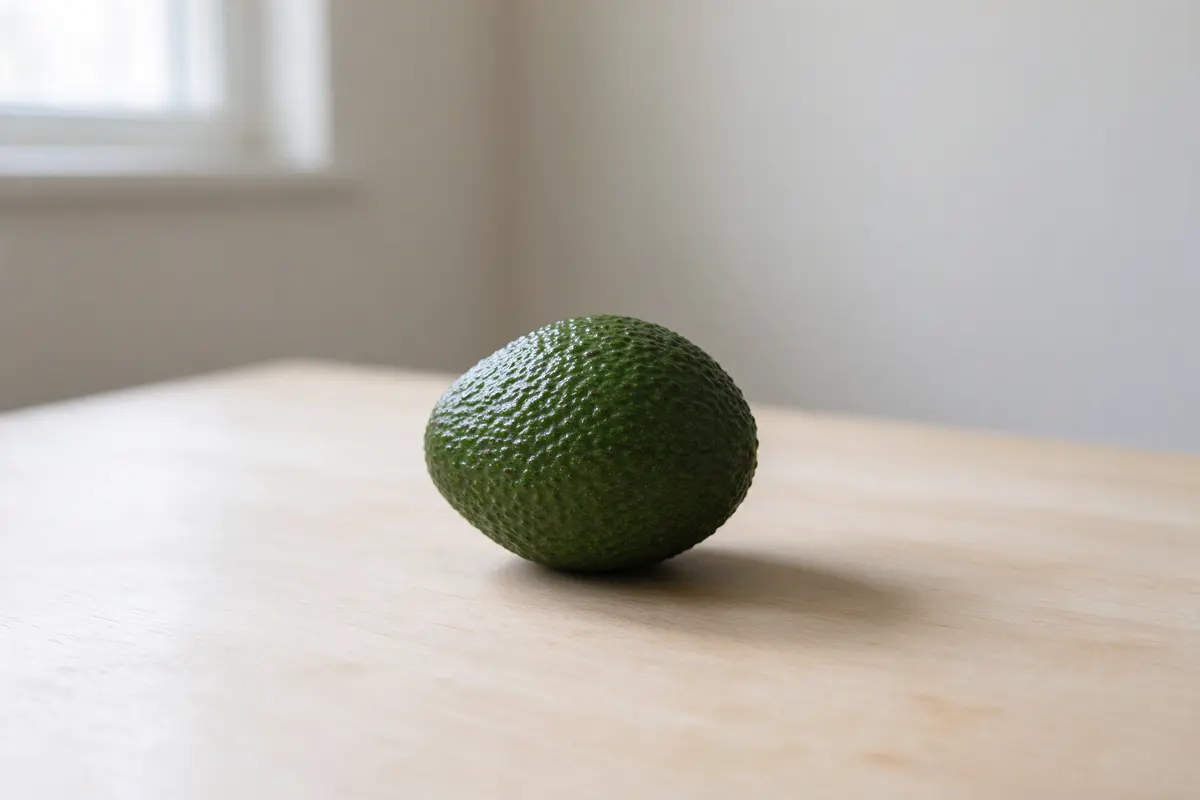
- about the size of an avocado
- Length this week
- around 11.6 cm from head to bottom

Sixteen weeks and one day. Somewhere around now there is an appointment where the results of your first blood tests come back. Today is about going in with a list and leaving with every answer written down.
Your baby
Your body
At the 16-week midwife appointment you'll be weighed, you may hear the baby's heartbeat, and you get the results of the booking-appointment blood tests (NHS). You will probably have been offered tests for HIV, hepatitis B and syphilis among them (NHS). The OWH's list for the first visit also covers blood type and Rh factor, anemia, several infections, and immunity to rubella and chickenpox (OWH).
Each of those has a reason. HIV testing is now common in pregnancy, preferably early, because babies born to HIV-positive mothers receive preventive medication (AAP). NICHD says all pregnant women should be screened for syphilis at their first prenatal visit (NICHD). An Rh-negative result matters later: Rh-negative mothers may need a RhoGAM injection around 28 weeks (MedlinePlus). None of these results is a judgment on you; they are the list of things that can be acted on in time.
Try today
The results review
Time: 5 minutes before the visit, 10 in the room
Take the checkup card you started at 14 weeks, or any card, and write the names down the left: blood group and Rh, anemia, rubella immunity, HIV, hepatitis B, syphilis (OWH).
Ask for each by name, and write the answer beside it in one word: normal, immune, negative, or "repeat".
For anything marked "repeat" or "positive", ask the next step and the date, and write both (MedlinePlus).
Add today's weight and whether you heard the heartbeat, then put the card back where the next visit will find it (NHS).
Make it work:If a result was discussed at an earlier visit and you can't remember it, ask again. "Tell your doctor or midwife if you have any problems or concerns" covers questions too (MedlinePlus).
Watch for
Normal
tiredness, with naps to make up for broken nights (NHS).
Call your provider
or seek care immediately for overwhelming tiredness, which the CDC lists among the urgent maternal warning signs (CDC).
Normal
bleeding gums and the odd nosebleed; fluids, vitamin C from fruit or orange juice, a humidifier, or saline nasal spray can help (MedlinePlus).
Call your provider
about anything that keeps worrying you between visits (MedlinePlus).
Normal
feeling hot, which is on the NHS's list for this stage (NHS).
Call 911
or seek care immediately for chest pain, a fast-beating heart, or trouble breathing (CDC).
For you
One result that frightens people more than it should: hepatitis B. If it comes back positive, the plan exists already. All healthy infants are vaccinated against hepatitis B, and infants of mothers with ongoing infection also get hepatitis B immune globulin as soon as possible after birth (NICHD). It is a reason for the test, not a reason for dread.
If you're the partner: hold the card and the pen. She is being weighed, listened to, and asked questions at the same time; you are the one with a free hand.
Sources
- NHS. "Week 16." Week-by-week guide to pregnancy, Best Start in Life. https://www.nhs.uk/best-start-in-life/pregnancy/week-by-week-guide-to-pregnancy/2nd-trimester/week-16/
- NHS. "Week 21." Week-by-week guide to pregnancy, Best Start in Life. https://www.nhs.uk/best-start-in-life/pregnancy/week-by-week-guide-to-pregnancy/2nd-trimester/week-21/
- Office on Women's Health. "Prenatal care and tests." U.S. Department of Health and Human Services. https://womenshealth.gov/pregnancy/youre-pregnant-now-what/prenatal-care-and-tests
- American Academy of Pediatrics. "Tests & Screenings During Pregnancy." HealthyChildren.org, 2025. https://www.healthychildren.org/English/ages-stages/prenatal/Pages/tests-during-pregnancy.aspx
- National Institute of Child Health and Human Development. "What infections can affect pregnancy?" National Institutes of Health, 2021. https://www.nichd.nih.gov/health/topics/pregnancy/conditioninfo/infections
- MedlinePlus. "Prenatal care in your second trimester." National Library of Medicine. https://medlineplus.gov/ency/patientinstructions/000557.htm
- MedlinePlus. "Common symptoms during pregnancy." National Library of Medicine. https://medlineplus.gov/ency/patientinstructions/000583.htm
- Centers for Disease Control and Prevention. "Urgent Maternal Warning Signs and Symptoms." HEAR HER campaign, 2024. https://www.cdc.gov/hearher/maternal-warning-signs/index.html
This guide is general education that summarizes published research and guidance from groups like the American Academy of Pediatrics, the CDC, and the WHO. It isn’t medical advice, and every child develops on their own timeline. Your pediatrician knows your child; if something feels wrong, call them. In an emergency, call 911.
Get each day’s note the morning it applies
Add your due date to a free Chorevia household, and every morning until the birth the day's note arrives in the app and by email: what's forming, what your body is doing, one thing to try, what to watch for, and a word for you.
Create your household