Day 32 of 280 · 4 weeks + 4 days
Ten minutes a day
Last reviewed · 3 min read · 7 sources · Plain-text version
150 minutes of exercise a week sounds like a lot until you cut it into ten-minute walks. Today you take the first one.
- Size this week
- about the size of a poppy seed
- Length this week
- about 2 mm from head to bottom
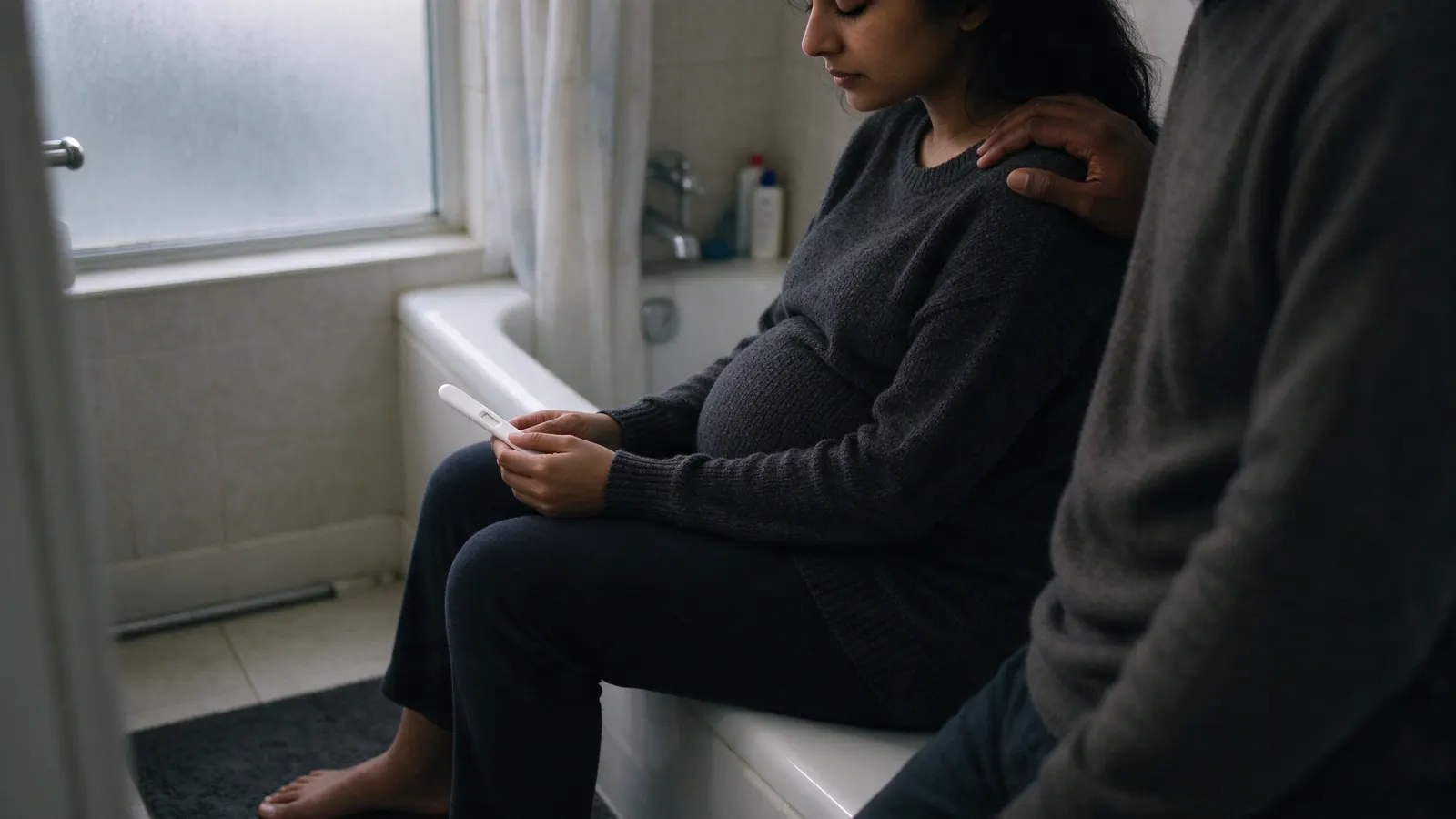
Four weeks and four days. Today's plan fits inside a lunch break: one brisk walk, ten minutes long, and a note of when it fit.
Your baby
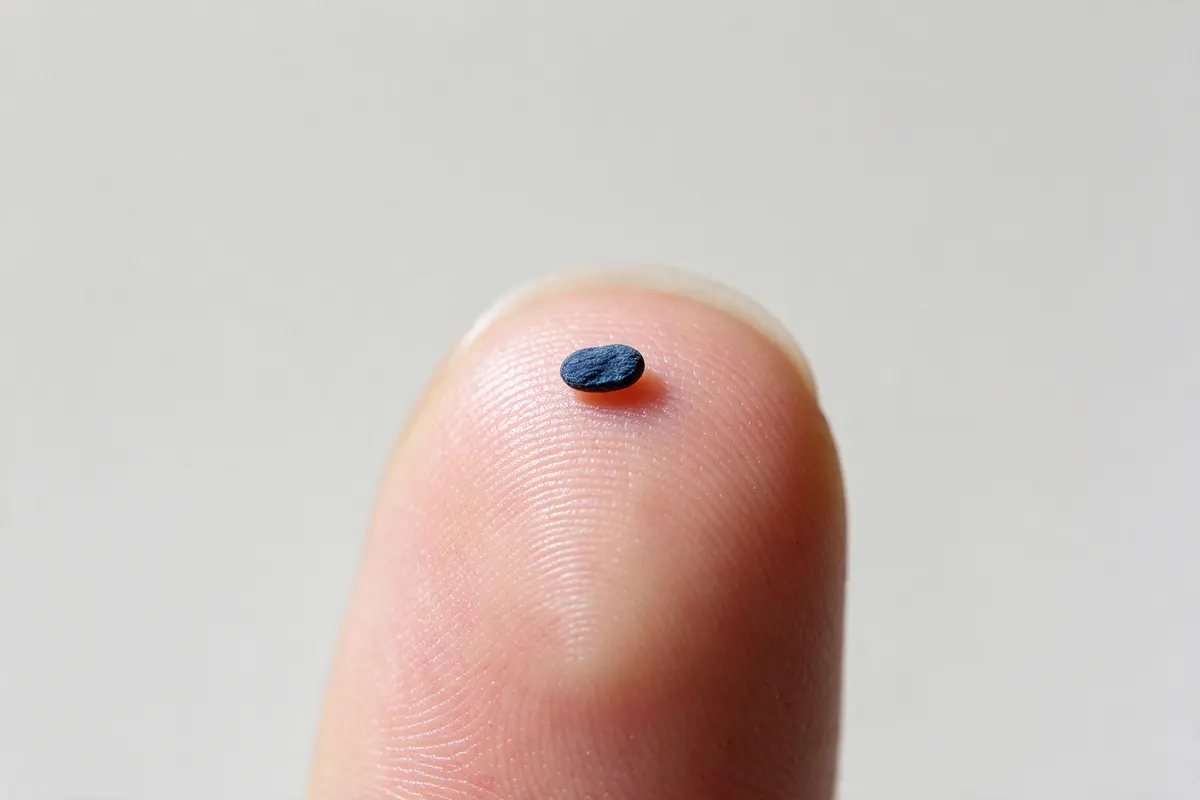
About 2mm, about the size of a poppy seed, protected by a fluid-filled amniotic sac and growing rapidly (NHS). Nothing about today's walk changes that. The CDC's line is that physical activity is healthy and safe for most pregnant women, with a note to ask your provider about any restrictions (CDC).
Your body
The target is 150 minutes of exercise a week, and the NHS says to start with about 10 minutes a day if you need to (NHS). The CDC gives the same number: work up to or maintain at least 150 minutes of moderate-intensity aerobic activity, such as brisk walking, each week, and it can be split into smaller daily chunks (CDC).
If you weren't active before, the AAP suggests moderate walking or swimming, prenatal yoga, or Pilates, beginning with five to ten minutes a day (AAP). If you were, keep your current level and slow down when you need to; drink plenty of water and avoid jumping or jarring movements (AAP). Walking and swimming are generally safe, effective exercises, and MedlinePlus says to talk to your provider before starting an exercise program (MedlinePlus).
Try today
The ten-minute walk
Time: 10 minutes, brisk
Pick the hour today and walk for ten minutes at a pace that's brisk for you; brisk walking is the CDC's own example of moderate activity (CDC).
Water before and after (AAP).
Already active? Keep your usual level today and slow down when you need to (AAP).
Write down when it fit. Fifteen of these make the week's 150 minutes (NHS).
Make it work:If you have a condition or a complication, or you're just unsure, ask your provider about restrictions before you make this a program (CDC).
Watch for
Normal
tiredness, on the NHS's list of common early symptoms (NHS).
Call 911
for severe chest pain or shortness of breath that does not go away (MedlinePlus).
Normal
mild cramping (NHS).
Call your provider
for severe belly pain that doesn't go away (CDC).
Normal
sore breasts and bloating (NHS).
Call your provider
for severe swelling, redness, or pain in a leg or arm, at any point in pregnancy (CDC).
For you
You don't need to eat for two. The NHS says a varied, balanced diet is enough (NHS); the first trimester generally requires no extra calories at all, with about 340 more a day in the second and about 450 in the third (CDC). MedlinePlus puts it as "Eating for two does not mean eating twice as much food" (MedlinePlus). Most women gain only 2 to 4 pounds (1 to 2 kilograms) in the first trimester (MedlinePlus).
If you're the partner: walk with her. Ten minutes is short enough to be a conversation, and it counts for you too.
Sources
- NHS. "Week 4." Week-by-week guide to pregnancy, Best Start in Life. https://www.nhs.uk/best-start-in-life/pregnancy/week-by-week-guide-to-pregnancy/1st-trimester/week-4/
- Centers for Disease Control and Prevention. "Weight Gain During Pregnancy." https://www.cdc.gov/maternal-infant-health/pregnancy-weight/index.html
- American Academy of Pediatrics. "Nutrition and Exercise During Pregnancy." HealthyChildren.org. https://www.healthychildren.org/English/ages-stages/prenatal/Pages/Nutrition-and-Exercise-During-Pregnancy.aspx
- MedlinePlus. "Managing your weight gain during pregnancy." National Library of Medicine. https://medlineplus.gov/ency/patientinstructions/000603.htm
- MedlinePlus. "Common symptoms during pregnancy." National Library of Medicine. https://medlineplus.gov/ency/patientinstructions/000583.htm
- Centers for Disease Control and Prevention. "Urgent Maternal Warning Signs and Symptoms." HEAR HER campaign, 2024. https://www.cdc.gov/hearher/maternal-warning-signs/index.html
- MedlinePlus. "Eating right during pregnancy." National Library of Medicine. https://medlineplus.gov/ency/patientinstructions/000584.htm
This guide is general education that summarizes published research and guidance from groups like the American Academy of Pediatrics, the CDC, and the WHO. It isn’t medical advice, and every child develops on their own timeline. Your pediatrician knows your child; if something feels wrong, call them. In an emergency, call 911.
Get each day’s note the morning it applies
Add your due date to a free Chorevia household, and every morning until the birth the day's note arrives in the app and by email: what's forming, what your body is doing, one thing to try, what to watch for, and a word for you.
Create your household