Day 77 of 280 · 11 weeks
Fingers and toes, separating
Last reviewed · 3 min read · 5 sources · Plain-text version
Eleven weeks: fingers and toes are separating and tiny nails are forming. Today you write the baby a short note, dated, and keep it somewhere safe.
- Size this week
- about the size of a fig
- Length this week
- around 41 mm from head to bottom

Eleven weeks. The baby has fingers and toes now, and today you write them a note: three lines, dated, kept.
Your baby
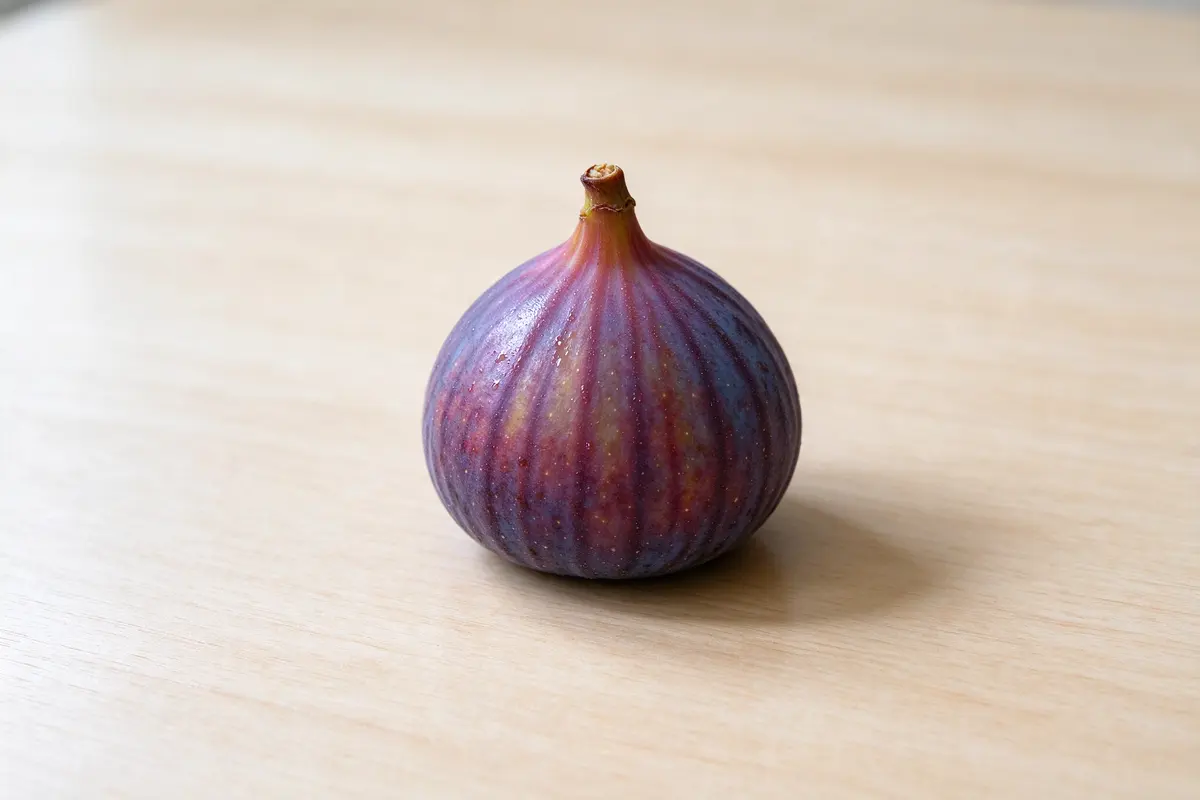
Around 41mm long from head to bottom, about the size of a fig (NHS). "The head is still supersized, but the body is growing quickly" (NHS). Fingers and toes are separating, and tiny nails and ears are forming (NHS). All of that is happening without you feeling a thing: movements are usually not felt for several weeks yet (NHS).
Your body
Behind the scenes, the placenta is taking over from the yolk sac, and that hormonal shift can cause tiredness and emotional changes (NHS). The rest of this week's list will be familiar: nausea, mood changes, a metallic taste, tender breasts, heartburn, headaches, changing food preferences and a sharper sense of smell (NHS).
Two housekeeping lines from the same page. Keep taking folic acid daily until at least week 12, and vitamin D (NHS). And if you haven't yet, contact your provider to book the first appointment; it usually falls between weeks 8 and 12 and takes about an hour (NHS).
Try today
The ten-fingers note
Time: 10 minutes
Take a card or a page and write today's date and "11 weeks" at the top.
Line one: what you know about the baby this week. Around 41mm, fingers and toes separating, nails forming (NHS).
Line two: what this week has been like for you, honestly, tired days included.
Line three: one thing you hope.
If you have a partner, they write their own three lines on the back, and the card goes in the folder with the appointment letters.
Make it work:This isn't a journal you now have to keep. It's one card. The date is the point.
Watch for
Normal
tiredness and emotional ups and downs from the hormonal shift (NHS).
Call your provider
as soon as possible if you think you have depression; in a crisis, call or text 988, or call or text the National Maternal Mental Health Hotline, 1-833-TLC-MAMA (CDC).
Normal
light spotting, which is on this week's NHS list (NHS).
Call your provider
about any bleeding; the NHS says to see a doctor about it (NHS).
Normal
changing food preferences and a sharper sense of smell (NHS).
Call your provider
about an unusual craving such as wanting to eat dirt, which can signal a condition linked to low iron (NHS).
For you
You won't feel any of this for a while. The NHS says movements usually aren't felt for several weeks (NHS), that you may not feel movement until around week 17 (NHS), and that the first bubbling or fluttering is often noticed between 18 and 24 weeks (NHS). That's why today is a note and not a feeling: the only record of week 11 is the one you write.
If you're the partner: write your side of the card before you read hers. Two honest lines are worth more than one agreed one.
Sources
- NHS. "Week 11." Week-by-week guide to pregnancy, Best Start in Life. https://www.nhs.uk/best-start-in-life/pregnancy/week-by-week-guide-to-pregnancy/1st-trimester/week-11/
- NHS. "Week 5." Week-by-week guide to pregnancy, Best Start in Life. https://www.nhs.uk/best-start-in-life/pregnancy/week-by-week-guide-to-pregnancy/1st-trimester/week-5/
- NHS. "Week 13." Week-by-week guide to pregnancy, Best Start in Life. https://www.nhs.uk/best-start-in-life/pregnancy/week-by-week-guide-to-pregnancy/2nd-trimester/week-13/
- NHS. "Week 17." Week-by-week guide to pregnancy, Best Start in Life. https://www.nhs.uk/best-start-in-life/pregnancy/week-by-week-guide-to-pregnancy/2nd-trimester/week-17/
- Centers for Disease Control and Prevention. "Symptoms of Depression Among Women." Reproductive Health, 2024. https://www.cdc.gov/reproductive-health/depression/index.html
This guide is general education that summarizes published research and guidance from groups like the American Academy of Pediatrics, the CDC, and the WHO. It isn’t medical advice, and every child develops on their own timeline. Your pediatrician knows your child; if something feels wrong, call them. In an emergency, call 911.
Get each day’s note the morning it applies
Add your due date to a free Chorevia household, and every morning until the birth the day's note arrives in the app and by email: what's forming, what your body is doing, one thing to try, what to watch for, and a word for you.
Create your household