Day 78 of 280 · 11 weeks + 1 day
Tummy pain, by severity
Last reviewed · 3 min read · 5 sources · Plain-text version
Most pulls and twinges this week are muscles and ligaments stretching. Today you write a three-rung ladder so you know which pain is a call.
- Size this week
- about the size of a fig
- Length this week
- around 41 mm from head to bottom

Eleven weeks and one day. A pull low in your belly can mean almost nothing or quite a lot, and the difference is not how it feels at 2 a.m. Today you sort it in advance.
Your baby
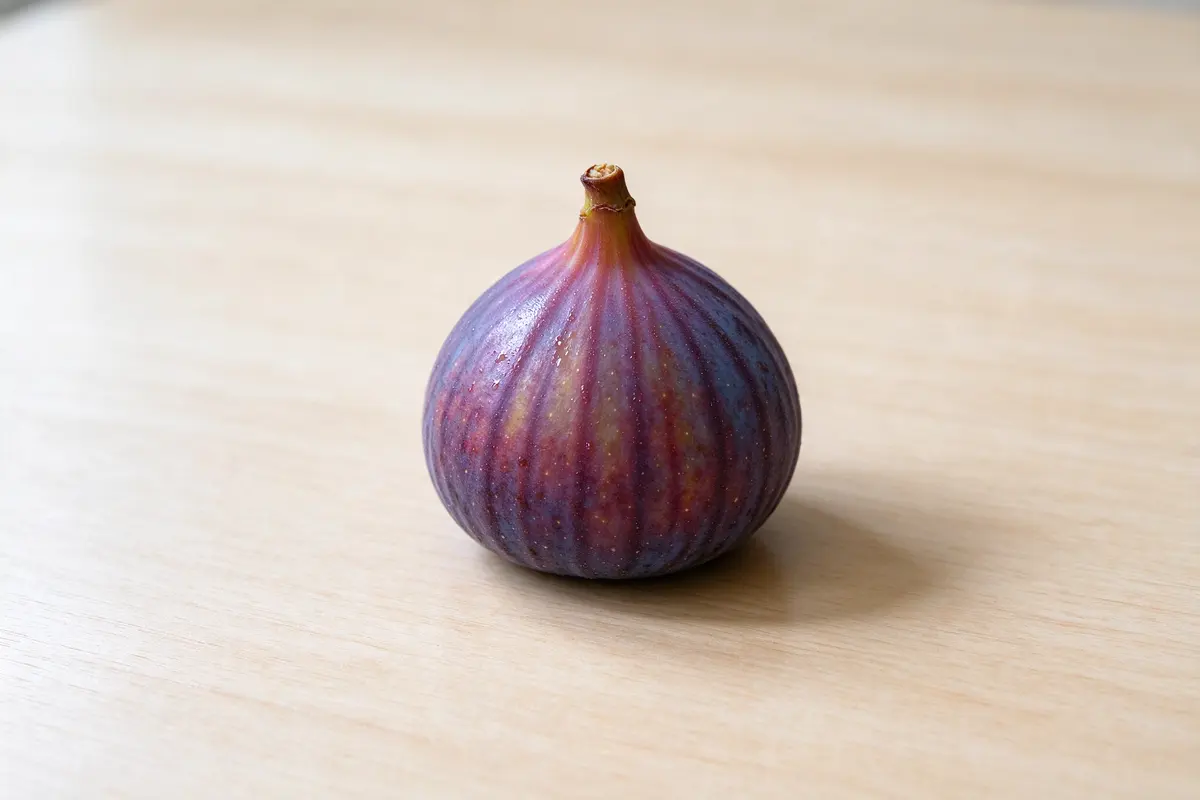
Around 41mm long from head to bottom, about the size of a fig, and the body is growing quickly to catch up with the head (NHS). Part of what you feel this week is your womb making room for that.
Your body
Stretching muscles and ligaments can cause tummy pain as the bump grows, and period-like cramps are on this week's list of common signs (NHS). The NHS draws the line at severity: severe pain means contacting a midwife or doctor promptly (NHS).
MedlinePlus draws it in more detail. See your provider right away for constant, severe abdominal pain, possible contractions, or pain with bleeding or fever, because those can signal placental abruption, preterm labor, gallbladder disease or appendicitis (MedlinePlus). The ordinary kind has a name too: round ligament pain most often occurs between 18 and 24 weeks, and moving slowly or changing positions may help (MedlinePlus). The NHS describes it as an occasional jabbing pain on the sides of the bump that may ease with rest (NHS).
Try today
The pain-severity ladder
Time: 10 minutes
Rung one, on a card: "A pull or twinge that eases when I sit, change position, or rest." That's stretching; rest and recheck (NHS; MedlinePlus).
Rung two: "Pain that stops me doing what I was doing, or doesn't ease." Severe pain means contacting a midwife or doctor promptly (NHS).
Rung three: "Constant, severe pain, or any pain with bleeding or fever." See the provider right away (MedlinePlus).
Tape it inside a kitchen cupboard door, and have your partner read it once.
Make it work:When you can't decide which rung a pain belongs on, move it up one.
Watch for
Normal
period-like cramps and pulls as the bump grows (NHS).
Call your provider
promptly for severe pain (NHS).
Normal
a twinge that eases when you move slowly or change position (MedlinePlus).
Call your provider right away
for constant, severe abdominal pain, or pain with bleeding or fever (MedlinePlus).
Normal
a backache after a long day; the Office on Women's Health suggests lying down, rest and heat (OWH).
Call your provider
if the pain does not get better (OWH).
For you
Most pulls are stretching. That's the NHS's own explanation for tummy pain at this stage (NHS), and it's worth saying plainly, because a ladder like today's can read as a list of disasters. It isn't. It's a way to stop checking every twinge against the worst case.
Worry itself is common: about 1 in 5 women feel stressed or anxious during pregnancy (NHS). If the ladder doesn't quiet it, say so at the next visit; the NHS's to-do list this week includes asking for support with anxiety or low mood (NHS).
If you're the partner: when she says "it's probably nothing," ask which rung. It turns a reassurance into a decision you've made together.
Sources
- NHS. "Week 11." Week-by-week guide to pregnancy, Best Start in Life. https://www.nhs.uk/best-start-in-life/pregnancy/week-by-week-guide-to-pregnancy/1st-trimester/week-11/
- NHS. "Week 15." Week-by-week guide to pregnancy, Best Start in Life. https://www.nhs.uk/best-start-in-life/pregnancy/week-by-week-guide-to-pregnancy/2nd-trimester/week-15/
- NHS. "Week 17." Week-by-week guide to pregnancy, Best Start in Life. https://www.nhs.uk/best-start-in-life/pregnancy/week-by-week-guide-to-pregnancy/2nd-trimester/week-17/
- MedlinePlus. "Aches and pains during pregnancy." National Library of Medicine. https://medlineplus.gov/ency/patientinstructions/000580.htm
- Office on Women's Health. "Body changes and discomforts." U.S. Department of Health and Human Services. https://womenshealth.gov/pregnancy/youre-pregnant-now-what/body-changes-and-discomforts
This guide is general education that summarizes published research and guidance from groups like the American Academy of Pediatrics, the CDC, and the WHO. It isn’t medical advice, and every child develops on their own timeline. Your pediatrician knows your child; if something feels wrong, call them. In an emergency, call 911.
Get each day’s note the morning it applies
Add your due date to a free Chorevia household, and every morning until the birth the day's note arrives in the app and by email: what's forming, what your body is doing, one thing to try, what to watch for, and a word for you.
Create your household