Day 82 of 280 · 11 weeks + 5 days
The walk that helps the tiredness
Last reviewed · 3 min read · 10 sources · Plain-text version
Gentle walking may help the tiredness of the placenta taking over. Today: ten slow minutes outside on your most tired afternoon, and a note on whether it helped.
- Size this week
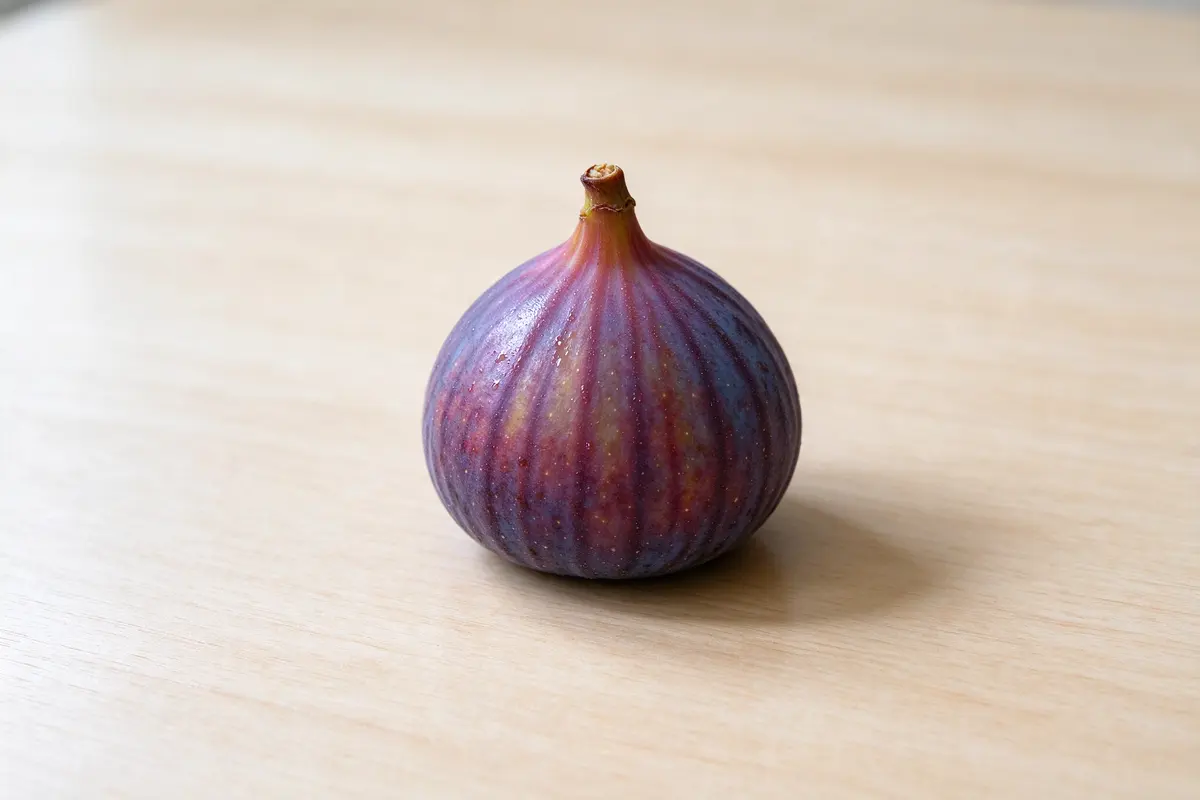
- about the size of a fig
- Length this week
- around 41 mm from head to bottom

Eleven weeks and five days. The tiredness is real and it has a cause. Today's experiment is ten slow minutes outside, timed for the hour you usually sag.
Your baby
Your body
The placenta is taking over from the yolk sac this week, and that hormonal shift can cause tiredness (NHS). The NHS's suggestion is the opposite of what tired people want to hear: gentle activity like walking may help with fatigue (NHS). The target is 150 minutes of exercise a week, and the NHS says to start with about 10 minutes a day if that's where you are (NHS).
The CDC's version is at least 150 minutes of moderate-intensity aerobic activity such as brisk walking per week, which can be split into smaller daily chunks; activity is healthy and safe for most pregnant women, and your provider can tell you about any restrictions (CDC). The AAP's starting point for someone who wasn't active before is moderate walking, beginning with five to ten minutes a day (AAP). Rest counts too: short daytime naps can make up lost sleep (MedlinePlus).
Try today
The fatigue walk
Time: 10 minutes
Pick the hour you usually sag; for many people it's mid-afternoon.
Walk slowly outside for ten minutes with no pace and no destination (NHS).
Drink a glass of water when you're back; the NHS suggests about eight medium glasses a day (NHS).
One line in the notebook an hour later: better, same, or worse.
If it's better, that was the first ten of the week's 150 (NHS).
Make it work:If you have a complication or your provider has asked you to limit activity, ask before you start; the CDC says to check about restrictions (CDC).
Watch for
Normal
tiredness heavier than you expected, from the hormonal shift (NHS).
Call your provider
for overwhelming tiredness (CDC).
Normal
feeling warm and sweaty after a hill (NHS).
Call 911
for severe chest pain or shortness of breath that does not go away (MedlinePlus).
Normal
tired legs after the walk.
Call your provider right away
for pain and swelling in one leg but not the other, which can signal a blood clot (MedlinePlus).
For you
The walk pays off later as well as now. The federal activity guidelines note that for pregnant women, physical activity reduces the risk of postpartum depression (ODPHP). You don't need to feel that today; today's only test is whether you feel less flattened at four o'clock.
If you're the partner: walk with her, no agenda. Not a chance to plan, not a chance to ask how she's really doing. Ten minutes, same pace as her, and home.
Sources
- NHS. "Week 11." Week-by-week guide to pregnancy, Best Start in Life. https://www.nhs.uk/best-start-in-life/pregnancy/week-by-week-guide-to-pregnancy/1st-trimester/week-11/
- NHS. "Week 12." Week-by-week guide to pregnancy, Best Start in Life. https://www.nhs.uk/best-start-in-life/pregnancy/week-by-week-guide-to-pregnancy/1st-trimester/week-12/
- NHS. "Week 7." Week-by-week guide to pregnancy, Best Start in Life. https://www.nhs.uk/best-start-in-life/pregnancy/week-by-week-guide-to-pregnancy/1st-trimester/week-7/
- Centers for Disease Control and Prevention. "Weight Gain During Pregnancy." https://www.cdc.gov/maternal-infant-health/pregnancy-weight/index.html
- American Academy of Pediatrics. "Nutrition and Exercise During Pregnancy." HealthyChildren.org. https://www.healthychildren.org/English/ages-stages/prenatal/Pages/Nutrition-and-Exercise-During-Pregnancy.aspx
- MedlinePlus. "Problems sleeping during pregnancy." National Library of Medicine. https://medlineplus.gov/ency/patientinstructions/000559.htm
- Centers for Disease Control and Prevention. "Urgent Maternal Warning Signs and Symptoms." HEAR HER campaign, 2024. https://www.cdc.gov/hearher/maternal-warning-signs/index.html
- MedlinePlus. "Common symptoms during pregnancy." National Library of Medicine. https://medlineplus.gov/ency/patientinstructions/000583.htm
- MedlinePlus. "Aches and pains during pregnancy." National Library of Medicine. https://medlineplus.gov/ency/patientinstructions/000580.htm
- Office of Disease Prevention and Health Promotion. "Top 10 Things to Know About the Second Edition of the Physical Activity Guidelines for Americans." https://odphp.health.gov/our-work/nutrition-physical-activity/physical-activity-guidelines/current-guidelines/top-10-things-know
This guide is general education that summarizes published research and guidance from groups like the American Academy of Pediatrics, the CDC, and the WHO. It isn’t medical advice, and every child develops on their own timeline. Your pediatrician knows your child; if something feels wrong, call them. In an emergency, call 911.
Get each day’s note the morning it applies
Add your due date to a free Chorevia household, and every morning until the birth the day's note arrives in the app and by email: what's forming, what your body is doing, one thing to try, what to watch for, and a word for you.
Create your household