Day 39 of 280 · 5 weeks + 4 days
The flu shot, any trimester
Last reviewed · 3 min read · 6 sources · Plain-text version
Flu hits harder in pregnancy. The shot is recommended in any trimester and protects the baby for months after birth. Today you pick the date.
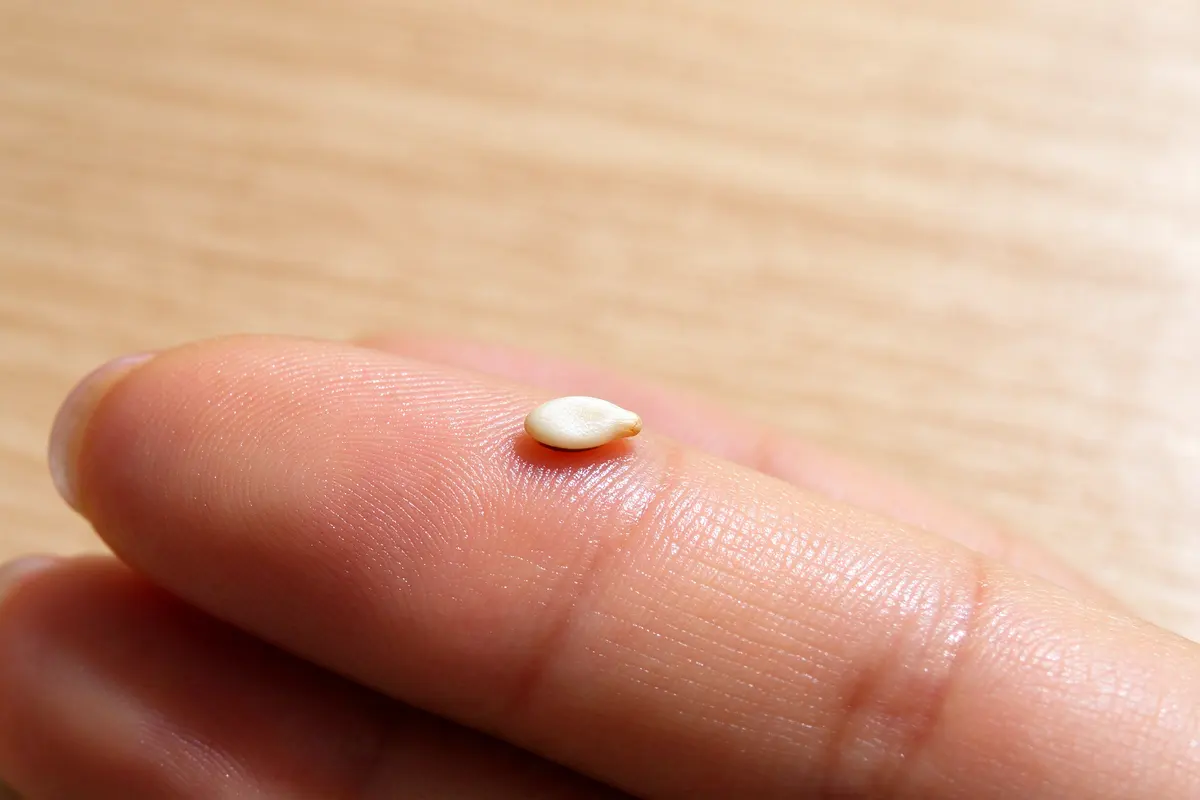
- Size this week
- about the size of a sesame seed
- Length this week
- around 2 mm from head to bottom
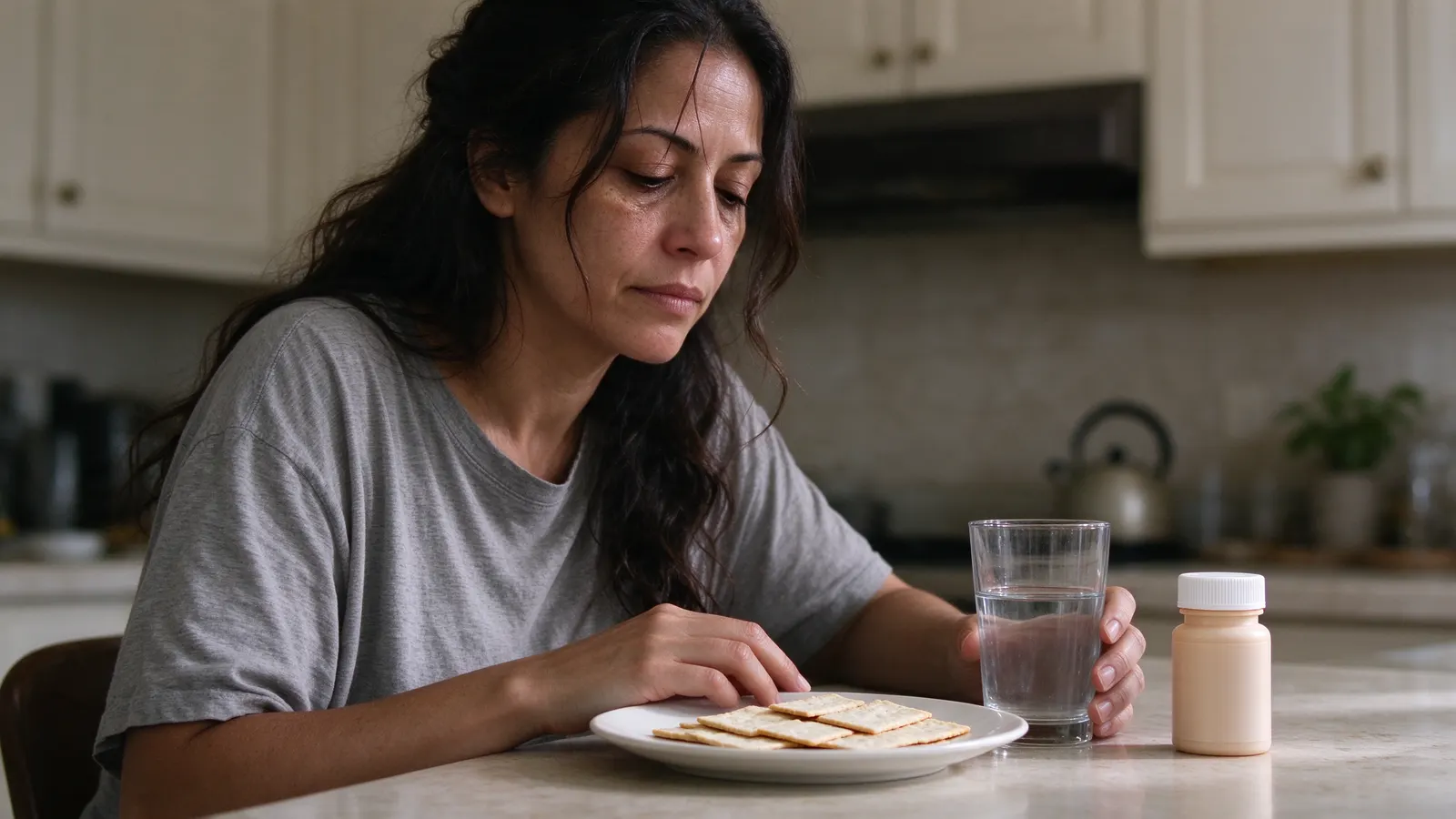
Five weeks and four days. Today is a calendar task with a needle at the end of it. If it isn't flu season where you are, the task is a reminder; if it is, the task is a date.
Your baby
The nervous system, brain and spinal cord are forming (NHS). This is the embryonic period, when the major systems begin to develop (MedlinePlus). Part of what the flu shot does is keep you out of a high fever during these weeks: the CDC says fever, a common flu symptom, has been linked in some studies to neural tube defects and other adverse outcomes (CDC).
Your body
Flu during pregnancy is more likely to lead to illness that requires hospitalization (CDC). The CDC's answer is direct: it recommends flu vaccination during any trimester of pregnancy, and says you should not get the nasal spray flu vaccine while pregnant (CDC). The injected vaccine is one of two the CDC recommends in every pregnancy; the other, Tdap, comes later, ideally between 27 and 36 weeks (CDC).
The numbers: a 2018 study found flu vaccination during pregnancy lowered the average risk of flu hospitalization by 40%, and flu shots have been given to millions of pregnant women over more than 50 years with an excellent safety record (CDC). It also works for two: vaccination during pregnancy can protect babies for several months after birth, when they are too young to be vaccinated themselves (CDC).
Try today
The flu-shot date
Time: 5 minutes
Check the month. The CDC says September and October are generally good months, and recommends vaccinating in flu season ideally by the end of October; later is still beneficial (CDC).
If it's flu season, book the shot. No special permission or written consent from a doctor is needed to get it at a pharmacy or worksite clinic (CDC).
Ask for the injection, not the nasal spray (CDC), and tell them you're pregnant.
If it isn't flu season, put a reminder in your calendar for September (CDC) and move on.
Make it work:Write the date on your first-visit list so your provider can note it. If you'd rather have it at the visit itself, that's fine too; the point is a date, not a place.
Watch for
Normal
a sore arm after a shot, and the ordinary tiredness of this week (NHS).
Call your provider right away
for flu symptoms; the CDC recommends prompt antiviral treatment for confirmed or suspected flu in pregnancy (CDC).
Normal
feeling warm in a stuffy room.
Go to the ER
or seek care immediately for a fever of 100.4°F (38°C) or higher (CDC).
Normal
a low-grade temperature that passes; the CDC says low-grade fevers generally do not require medication (CDC).
Call your provider
before taking anything for it; talk to your providers before starting or stopping any medicines (CDC).
For you
The vaccines to skip while pregnant, in the CDC's words: HPV, MMR, the live nasal flu vaccine, and varicella (chickenpox) (CDC). If you had one of those before you knew you were pregnant, talk to your doctor; any further doses wait until after the pregnancy (CDC). Travel vaccines generally wait too, unless your provider decides the benefits outweigh the risks (CDC).
If you're the partner: the booking is a thing you can do. Find the nearest pharmacy that takes walk-ins and write it on the fridge next to the date.
Sources
- NHS. "Week 5." Week-by-week guide to pregnancy, Best Start in Life. https://www.nhs.uk/best-start-in-life/pregnancy/week-by-week-guide-to-pregnancy/1st-trimester/week-5/
- MedlinePlus. "Fetal development." Medical Encyclopedia, National Library of Medicine. https://medlineplus.gov/ency/article/002398.htm
- Centers for Disease Control and Prevention. "Flu & Pregnancy." https://www.cdc.gov/flu/highrisk/pregnant.htm
- Centers for Disease Control and Prevention. "Pregnancy and Vaccines." Vaccine Safety, 2025. https://www.cdc.gov/vaccine-safety/about/pregnancy.html
- Centers for Disease Control and Prevention. "Urgent Maternal Warning Signs and Symptoms." HEAR HER campaign, 2024. https://www.cdc.gov/hearher/maternal-warning-signs/index.html
- Centers for Disease Control and Prevention. "Medicine and Pregnancy: An Overview." https://www.cdc.gov/medicine-and-pregnancy/about/index.html
This guide is general education that summarizes published research and guidance from groups like the American Academy of Pediatrics, the CDC, and the WHO. It isn’t medical advice, and every child develops on their own timeline. Your pediatrician knows your child; if something feels wrong, call them. In an emergency, call 911.
Get each day’s note the morning it applies
Add your due date to a free Chorevia household, and every morning until the birth the day's note arrives in the app and by email: what's forming, what your body is doing, one thing to try, what to watch for, and a word for you.
Create your household