Day 59 of 280 · 8 weeks + 3 days
What the first blood test looks for
Last reviewed · 3 min read · 11 sources · Plain-text version
The first-visit blood panel, item by item, so no result surprises you. Plus the one line you need about being Rh-negative.
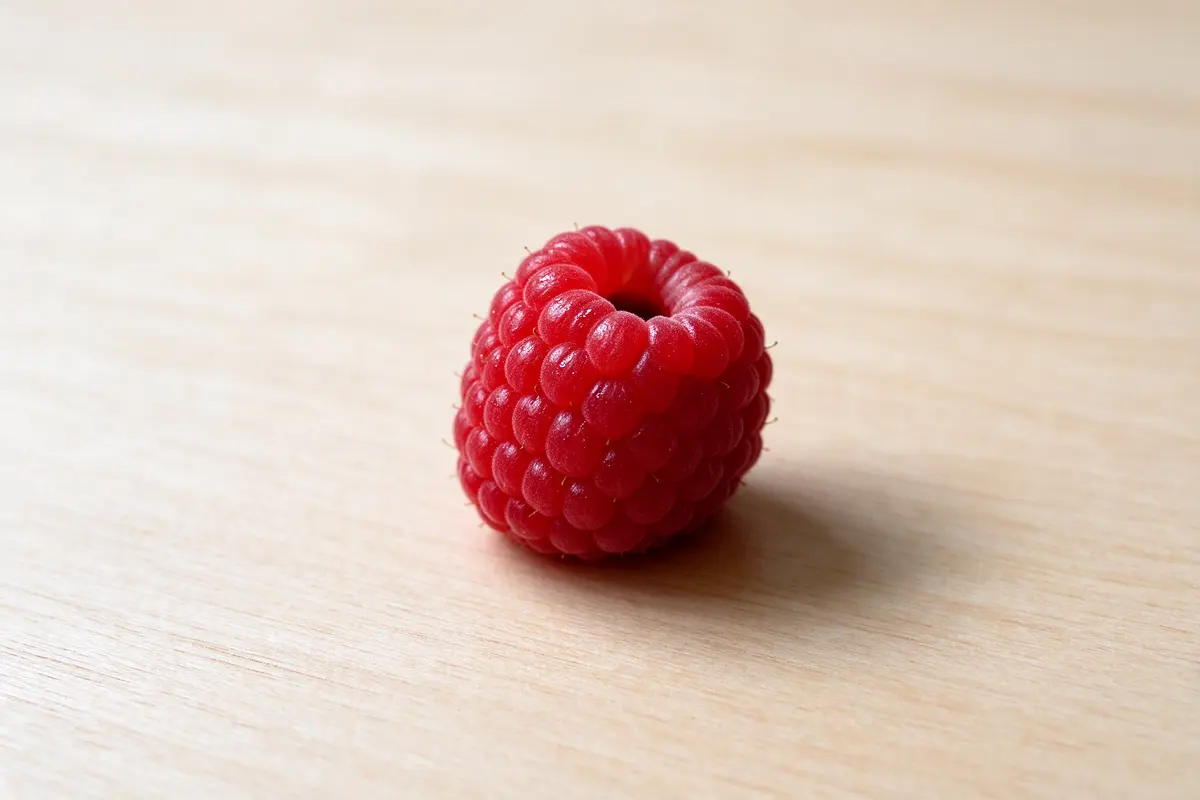
- Size this week
- about the size of a raspberry
- Length this week
- around 16 mm from head to bottom
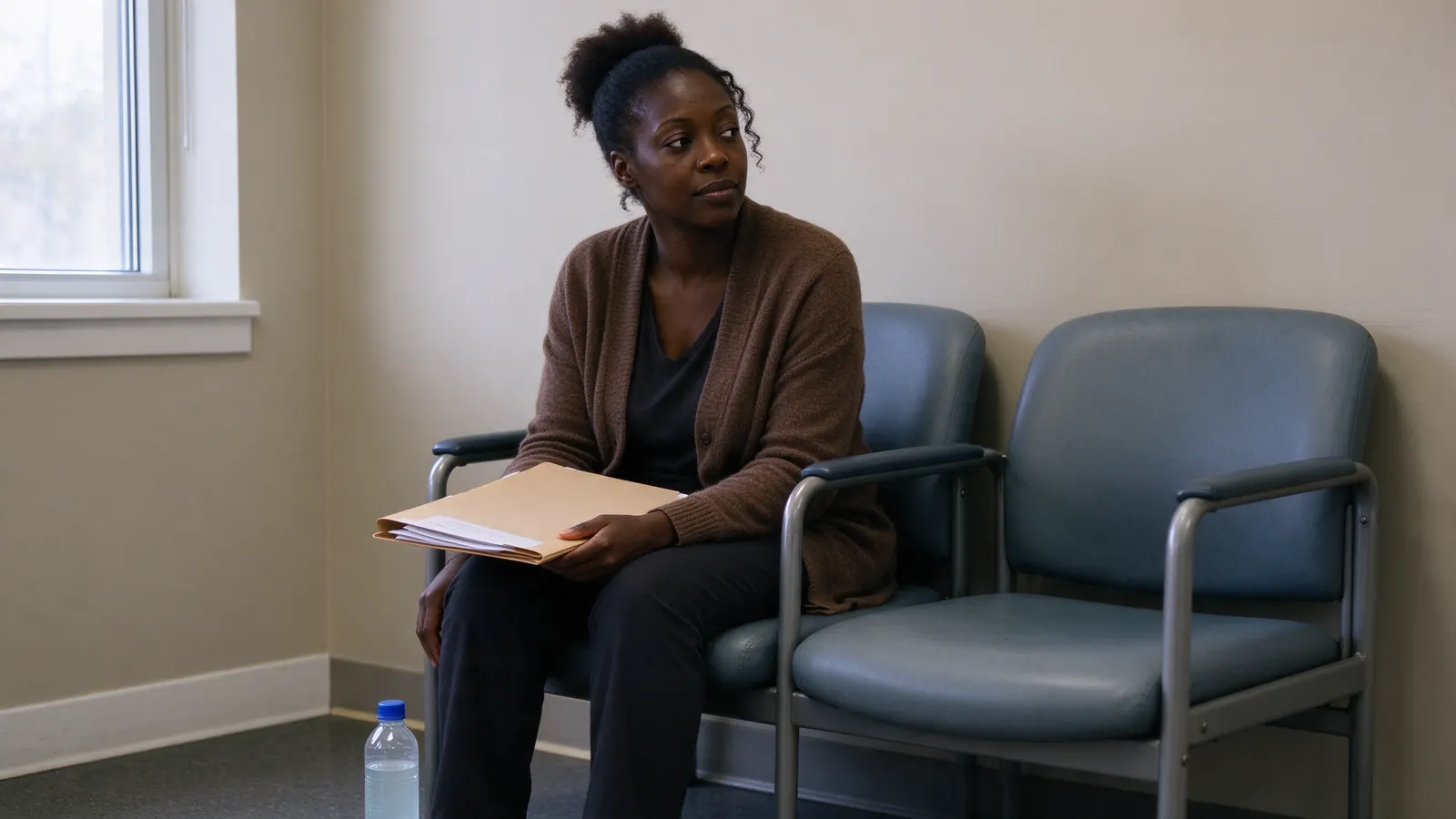
Eight weeks and three days. The first visit comes with a blood draw and a cup. Today you read the list once, so the words on the results page are already familiar.
Your baby
Your body
The first-visit panel, per MedlinePlus: a complete blood count, blood typing with an Rh screen, and tests for rubella, hepatitis, syphilis and HIV, plus a cystic fibrosis carrier screen; there is also a urine analysis and culture (MedlinePlus). The urine is checked for sugar or protein, which may indicate gestational diabetes or pregnancy-related high blood pressure (MedlinePlus). The Office on Women's Health lists the same ground: blood type and Rh factor, anemia, several infections, and immunity to rubella and chickenpox (OWH).
None of it is a judgment. All pregnant women should be screened for syphilis at the first prenatal visit (NICHD), and HIV testing in pregnancy is now common, preferably early, and babies born to HIV-positive mothers receive preventive medication (AAP). All women are offered genetic screening too (MedlinePlus); that's a conversation for next month.
Try today
The blood-panel preview
Time: 5 minutes
Read the list once: complete blood count, blood type and Rh, rubella, hepatitis, syphilis, HIV, cystic fibrosis carrier screen (MedlinePlus).
Write your blood type if you know it, from donating or a previous pregnancy. If not, leave the line blank to fill in later.
Note anything the panel touches that you're unsure of: whether you had chickenpox, whether anyone in the family carries a genetic condition (OWH).
Ask at the visit how results come back, and who calls if something needs following up.
Make it work:Expect the cup as well as the needle; the urine test is part of the same visit (MedlinePlus).
Watch for
Normal
nausea that comes and goes at any time of day (NICHD).
Call your provider
if you vomit blood or material that looks like coffee grounds, or lose more than 2 pounds (1 kilogram) in a week (MedlinePlus).
Normal
being thirstier than usual as your blood volume rises (NHS).
Call your provider
if you can't keep any fluids down for over 12 hours, or feel lightheaded (MedlinePlus).
Normal
extreme tiredness, which the Office on Women's Health lists as common in the first trimester (OWH).
Call your provider
for fever or chills (MedlinePlus).
For you
One line on Rh, no fear attached. Rh incompatibility can develop when a pregnant woman is Rh-negative and her baby is Rh-positive, and MedlinePlus's summary is that it is "almost completely preventable": Rh-negative women get RhoGAM during the second trimester when the father is Rh-positive or unknown, again within a few days of delivery if the baby is Rh-positive, and are followed closely by their providers (MedlinePlus). The Rh screen on today's list is how your provider knows which group you're in.
If you're the partner and you know your own blood type, write it on the same page; it's part of the Rh picture (MedlinePlus). Then take the needle off the list of things she has to think about: book the lab slot and drive.
Sources
- NHS. "Week 8." Week-by-week guide to pregnancy, Best Start in Life. https://www.nhs.uk/best-start-in-life/pregnancy/week-by-week-guide-to-pregnancy/1st-trimester/week-8/
- NHS. "Week 7." Week-by-week guide to pregnancy, Best Start in Life. https://www.nhs.uk/best-start-in-life/pregnancy/week-by-week-guide-to-pregnancy/1st-trimester/week-7/
- Office on Women's Health. "Stages of pregnancy." U.S. Department of Health and Human Services. https://womenshealth.gov/pregnancy/youre-pregnant-now-what/stages-pregnancy
- MedlinePlus. "Prenatal care in your first trimester." National Library of Medicine. https://medlineplus.gov/ency/patientinstructions/000544.htm
- Office on Women's Health. "Prenatal care and tests." U.S. Department of Health and Human Services. https://womenshealth.gov/pregnancy/youre-pregnant-now-what/prenatal-care-and-tests
- National Institute of Child Health and Human Development. "What infections can affect pregnancy?" National Institutes of Health, 2021. https://www.nichd.nih.gov/health/topics/pregnancy/conditioninfo/infections
- American Academy of Pediatrics. "Tests & Screenings During Pregnancy." HealthyChildren.org, 2025. https://www.healthychildren.org/English/ages-stages/prenatal/Pages/tests-during-pregnancy.aspx
- National Institute of Child Health and Human Development. "What are some common signs of pregnancy?" National Institutes of Health. https://www.nichd.nih.gov/health/topics/pregnancy/conditioninfo/signs
- MedlinePlus. "Morning sickness." National Library of Medicine. https://medlineplus.gov/ency/patientinstructions/000604.htm
- MedlinePlus. "Hyperemesis gravidarum." Medical Encyclopedia, National Library of Medicine. https://medlineplus.gov/ency/article/001499.htm
- MedlinePlus. "Rh incompatibility." Medical Encyclopedia, National Library of Medicine. https://medlineplus.gov/ency/article/001600.htm
This guide is general education that summarizes published research and guidance from groups like the American Academy of Pediatrics, the CDC, and the WHO. It isn’t medical advice, and every child develops on their own timeline. Your pediatrician knows your child; if something feels wrong, call them. In an emergency, call 911.
Get each day’s note the morning it applies
Add your due date to a free Chorevia household, and every morning until the birth the day's note arrives in the app and by email: what's forming, what your body is doing, one thing to try, what to watch for, and a word for you.
Create your household